

Source: French to English Tester Published on: 2026-04-07
Source: The Conversation – France (in French)– By Sonya Hanna, Lecturer in Marketing, Bangor University
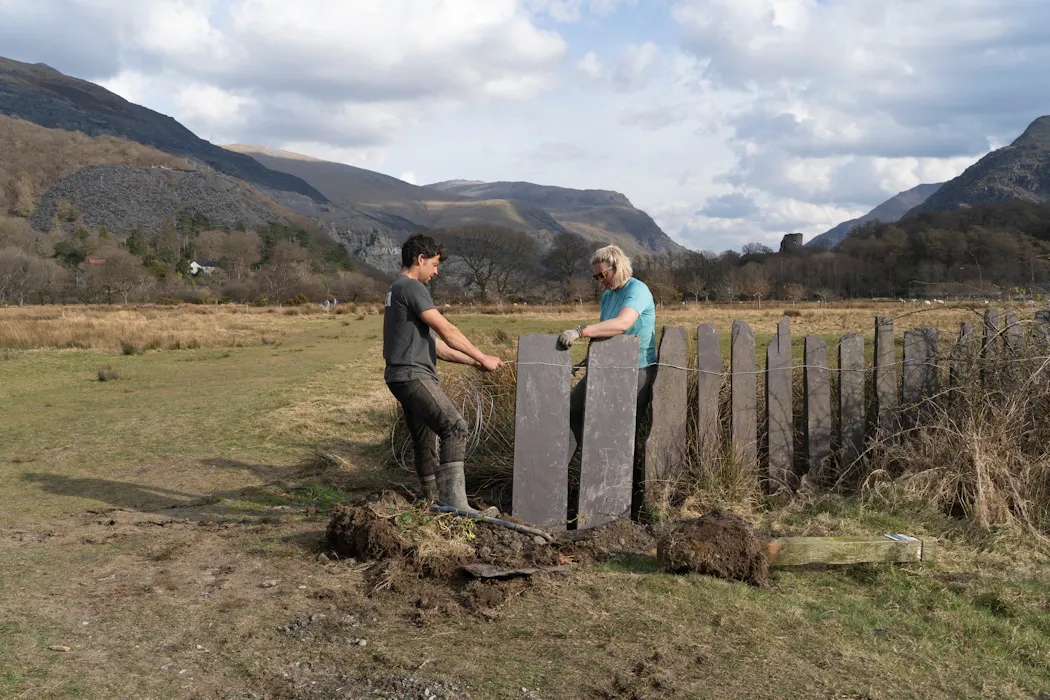
Young people in rural Wales do not want to leave, but without professional opportunities or being heard, many feel they have no choice. Fortunately, nothing is inevitable.
What we feel for our hometowns – the places where we grew up, the people we know, the memories we have created – shapes the person we are.
For many young people in rural areas ofWales, these ties are deep. The mountains, the villages, and the slates are much more than mere landscapes. They are part of family histories and daily life. But even though they hold their place of residence deeply, many feel pushed to leave in order to continue their education or find work.
Ourstudyfocused on the slate land of northwest Wales, a UNESCO World Heritage site known for its mines and quarries. The region includes towns, such as Blaenau Ffestiniog, where the slate industry once embodied both the economy and the culture.
We have observed that young people of Generation Z – individuals who are currently teenagers or in their twenties [born between the late 1990s and the early 2010s, editor’s note] – often want to stay. But they feel like the forgotten ones in public debates about the future of their region. They observe the effects of what is often called the “brain drain,” that is when young people leave rural areas for cities because jobs or university places are limited.
But many of the young people we spoke to think that things could be different.
Increasing pressure to leave
Rural areas around the world face similar challenges. While tourism can bring visitors and income, it can also drive up house prices and leave secondary residences empty for much of the year. Transport links can be poor, while accessing a permanent and well-paid job can be rare. North Wales is no exception.
One2025 studyreveals that, between 2021 and 2022, there were 4,000 fewer employees from local labor. Only 22% of those surveyed believe that they had real job opportunities in the region. Only 26% think that their local public services meet their needs.
Among young people, the outlook may seem even more uncertain. A study by2022reveals that 81% of young people from rural areas of Wales think they will have to leave within the next five years to train or work.
Governments are aware of the problem. The2020-2025 strategy of the Welsh governmentemphasizes the importance of the role to be given to young people in the definition and implementation of sustainable tourism. But, in practice, young people often feel absent from discussions between governments and businesses in the tourism sector.
Thestrategyfor the tourism economy of Gwynedd county and the wider Eryri National Park recognizes the lack of professional opportunities offered and the increasing dependence on seasonal workers. Yet, young people themselves are rarely mentioned as a distinct group to consult. However, this is a crucial issue: they are the ones who will decide whether these territories will prosper or slowly empty.

KarlMarshall/Shutterstock
Slate is the foundation of everything
The young people we spoke with are deeply connected to the slate landscape. As one interviewee confides to us:
“It’s like the foundation of everything upon which my life has been built in a certain way, because my house is built on slate, my roof… There were four or five of us the same age growing up together, and we would spend hours drawing on the slates with chalk.”
These emotional ties matter. They help explain why many young people want to stay, even when opportunities may seem more attractive elsewhere. But attachment to a territory alone is not enough. Young people wantto shapethe future.
One message stands out repeatedly from our research: young people want to be involved in this transformation. They do not want their participation to be symbolic. They want to play a real role in local development, the growth of tourism, and the future of their communities.
Practical ideas
Many young people interviewed have practical ideas. Some suggest developing guided heritage walks that combine history and outdoor activities, such as climbing ortrail. Others offer sensory itineraries with audioguides explaining the culture and the landscape of the region. Several mention the use of social networks to promote the region and tell local stories in a new way.
They also mention the slate caverns, vast underground spaces once used for mining exploitation. These can host festivals, cultural events, or activities for the youth. Such ideas are not unrealistic. Adventure tourism companies already operate in certain parts of the slate country, using old quarry sites for activities such as zip-lining.
Create communities
Fighting against the brain drain from rural areas does not only consist of convincing young people to stay. It is about creating communities in which they can envision themselves. In some territories, this idea has been implemented with the creation of cultural hubs offering young people access to training, creative opportunities, and jobs.

Effectivestockphotos/Shutterstock
Without these efforts, rural areas can become increasingly polarized with a large number of adolescents in school and a population dominated by older residents, often retired. In the middle, a nonexistent Generation Z.
Our research suggests that another path is possible. Young people from northwest Wales hold their country deeply dear. They understand its cultural and environmental value. They have ideas about how tourism and heritage could evolve sustainably. What they want most is simple: not to leave, and to be heard.

The authors do not work for, do not advise, do not hold shares in, do not receive funds from an organization that could benefit from this article, and have declared no affiliation other than their research institution.
–ref. Brain drain in rural areas of Wales is not inevitable – we asked Generation Z what would make them stay –https://theconversation.com/the-brain-drain-in-rural-areas-of-wales-is-not-inevitable-we-asked-generation-z-what-would-make-them-stay-279595