

AM Edition: Here are the top 10 energy articles on LiveNews.co.nz for April 22, 2026 – Full Text
Data centers don’t have to be a burden on local communities – and can even support them by generating power and repurposing waste heat
April 21, 2026
Source: MIL-OSI-Submissions-English
Source: The Conversation – USA (2) – By Gregor Henze, Professor of Civil, Environmental and Architectural Engineering, University of Colorado Boulder

Many consumers – and state policymakers and even utility companies – are worried about the possibility of large numbers of data centers raising electricity demand and power prices.
Those are real concerns, but our engineering research finds that if designed, constructed and operated carefully, data centers can actually help the communities that host them.
On-site energy storage
Locating power-generating capacity on-site, even using modified jet engines to drive steam turbines, is one emerging option to address data centers’ high power needs.
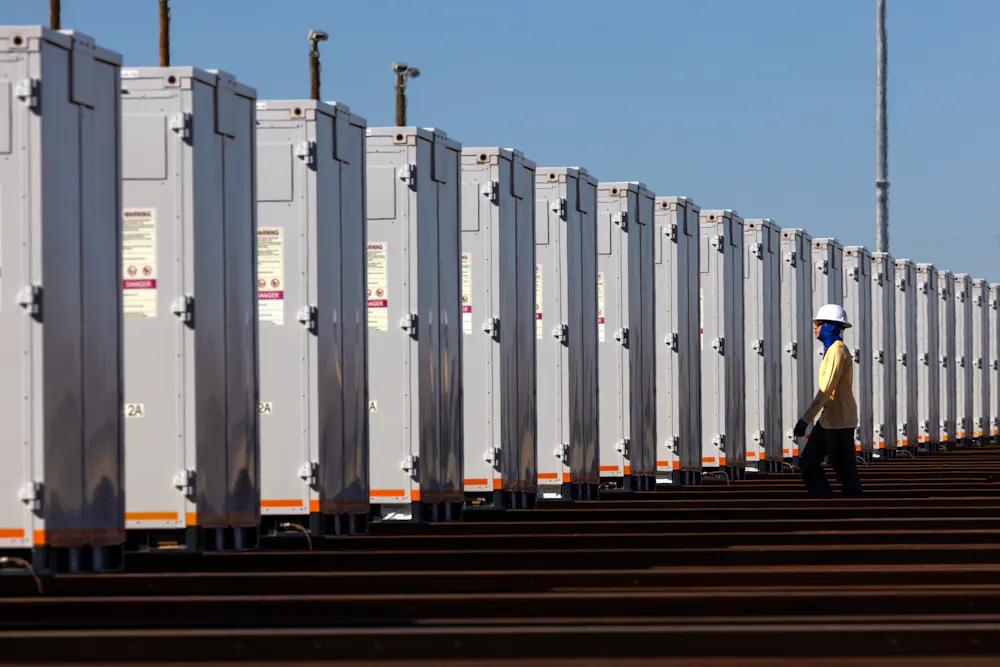
But there are other options, too. Data centers can install backup batteries that would kick in during an outage or could be used to avoid an outage when demand spikes. The batteries could not only provide power to the data center but also to the surrounding area in times of need.
Various types of battery designs and chemistries offer options for storing enough energy to keep a data center running from a few hours to a few days. This would be critical in supplying electricity during outages because of extreme weather events or excess demand on the grid during periods of peak usage.
Longer duration batteries are also in development. Plans for a new Google data center in Minnesota include solar panels and wind turbines with batteries that would become the world’s largest electricity storage system, with a power capacity of 300 megawatts. Google plans to install iron-air batteries, which are based on chemical reactions with iron to separate and store charge, that would store enough electrical energy to keep a data center running for as much as 100 hours.
Another long-duration battery design uses zinc and water as its key chemical ingredients. It needs relatively little cooling, so batteries can be stacked closely. Significant storage capacity could allow data center owners to flexibly decide when to use energy directly from the grid, when to run off the batteries, when to recharge the batteries, and even whether to sell power back to the grid to earn extra money.
Irfan Khan/Los Angeles Times via Getty Images
Using waste heat in the community
Data centers produce large amounts of heat, which must be removed from the computer chips. A data center gives off enough heat to potentially keep nearby buildings warm.
Many cities around the world already have what are called “district heating systems,” in which a group of buildings are connected with a pipe network and receive their heat from a central heat source.
Data centers could serve as a heat source for these systems. Recent improvements in these systems, called a “thermal microgrid” or an “ambient loop,” don’t require steam or extremely hot water, but rather use cooler temperatures of water to transport heat between the buildings. Efficient electric heat pumps in each building use that water loop to adjust the building’s air temperature in both winter and summer, creating combined district heating and cooling systems.
In this scenario, data center heat becomes not wasted energy rejected into the air but a money- and energy-saving resource for the local community. For example, a 75 megawatt data center in the town of Mantsala, Finland, is supplying heat to approximately 2,500 homes in the community.
Combining energy production, storage and heating
In our research, we suggest that combining data centers equipped with on-site power generation and battery energy storage and systems that use the waste heat could make the data center a benefit to the community rather than a drain on its resources.
Locating a data center with on-site battery energy storage in a neighborhood and, crucially, connecting them both thermally and electrically could create a small-scale energy community. In addition to providing heat, the data center could help meet the neighborhood’s electricity needs during power outages, storms or peak usage periods.

Gregor Henze and Sean Shaheen, CC BY-NC-ND
Improved efficiency of computing
As a fourth dimension to achieving sustainability in data centers, an emerging approach involves drastically reducing the energy consumed for every unit of computation. That would mean exponential growth in computational tasks does not require a corresponding exponential growth in hardware or electricity usage.
Advances in computer chip designs are making data center processors significantly more efficient, able to do larger numbers of more complex calculations more quickly while using less electricity.
But however efficient the chips get, there is both need and opportunity to make them dramatically more so. A growing field called “unconventional computing” is poised to help.
This field, which includes computing approaches inspired by the architecture of the human brain in the emerging technology of neuromorphic AI, as well as engineering innovations such as chips that use their own waste heat, can exhibit thousands-, millions-, or even billionsfold increases in power efficiency. That could make data centers immensely more capable of the computing tasks needed for training AI systems.
Improvements in data center efficiency would reduce the demand for more computing chips and more electricity to run them, even while producing more output.
Researchers across academia, industry and government agencies are developing road maps to scaling these new pathways for energy-efficient computing and are planning for a future where new materials with fundamentally different properties improve efficiency even more.
Some of these advances may be months away, though others could be decades into the future. But we believe that taken together, the opportunities for power generation and storage, waste heat reuse and improved computational efficiency could make data centers beneficial for their communities, and society as a whole, in support of energy affordability and resilience.

The authors do not work for, consult, own shares in or receive funding from any company or organization that would benefit from this article, and have disclosed no relevant affiliations beyond their academic appointment.
– ref. Data centers don’t have to be a burden on local communities – and can even support them by generating power and repurposing waste heat – https://theconversation.com/data-centers-dont-have-to-be-a-burden-on-local-communities-and-can-even-support-them-by-generating-power-and-repurposing-waste-heat-276729
Back to index · Read original article
Ghana’s mining law aims to stop speculation but leaves communities in limbo – insights from a lithium case study
April 21, 2026
Source: MIL-OSI-Submissions-English
Source: The Conversation – Africa – By Clement Sefa-Nyarko, Lecturer in Security, Development and Leadership in Africa, King’s College London
Ghana’s parliament ratified the country’s first lithium mining agreement in March 2026. This came three years after lithium mining was confirmed as commercially viable in September 2023.
The Ewoyaa Lithium Project, in the Central Region of Ghana, covers an area where farming communities have lived for generations. It spans several communities.
The agreement is between the government and Barari DV Ghana Limited, the local subsidiary of Australia-based Atlantic Lithium. Lithium is a mineral used in batteries that power electric vehicles, renewable energy storage systems and everyday electronics. It’s at the heart of global minerals supply chains to decarbonise energy and transport.
With the deal in place, formal discussions will begin with mining communities about relocation, compensation and restoring livelihoods. Compensation could include payment for land, crops, construction work and other assets that will be affected by mining operations, as required under Ghana’s Minerals and Mining Act.
The ratification of the deal also marks the end of a legal moratorium set out in Ghanaian law. This comes into force once minerals of commercial value are discovered.
The moratorium, which lasted three years in the case of the Ewoyaa Lithium Project, was designed to protect both the state and mining firms from complications such as speculative construction, sudden land claims, and inflated compensation demands that may arise from new developments.
Under Ghana’s mining law, once minerals of commercial value are confirmed, temporary restrictions are placed on new permanent structures, farm expansion and other major land use changes in the affected area. It lasts until there is a mineral agreement and compensation arrangements are clear. The intention is to stabilise land use and ensure fair valuation.
It has profound social consequences.
For people already living in these areas, the moratorium can mean extended periods of uncertainty. During this time, everyday decisions about livelihoods, housing and the future are placed on hold.
Its practical impact is that residents living on or near the mining area can’t build, expand their farms, or make other major decisions about land use.
The affected communities live in a state of suspended time during the moratorium. Farmers are unable to plan their next season confidently. Families delay home improvements. Young people postpone major life decisions because their future access to land remains unclear.
The mining agreement doesn’t end the waiting. Instead, it opens a new phase of negotiations, compensation assessments and administrative back and forth. It could stretch on for months or even years.
This prolonged uncertainty causes real social and economic harm. Yet its effects are often overlooked.
My academic work examines governance, natural resources, politics, and energy transitions. In a recent paper, based on extensive fieldwork in the lithium-rich communities of Ewoyaa, Krampa Krom and Krofu, I investigated how these delays and uncertainty shaped everyday life. I gathered firsthand accounts of how people navigated this period of waiting. All are affected by the project.
The effects were unmistakable. People described the moratorium as a form of “frozen time”, when life could not move forward.
The economic setbacks and emotional strain from long periods of uncertainty often go unrecognised in public policy discussions.
Time on hold
My research identified a number of negative effects of the delays in getting mining operations off the ground.
Firstly, households described how it eroded local opportunities and contributed to young people leaving the area. Young people expressed frustration as their job prospects remained frozen, and they lacked clarity on whether future employment at the mine would be accessible or meaningful.
Many young adults, already frustrated by years of stalled prospects, had left in search of work elsewhere.
The few lower-paid jobs associated with early stage mining activities were not yet available.
Secondly, farmers reported clear losses: they could not expand or invest.
Thirdly, women traders, many of whom sell farm produce and foodstuffs, reported disruptions in household income patterns because farming activities were stalled.
Fourth, community elders, reflecting on years of limited communication, described a growing distrust towards government institutions and the processes governing the mineral agreement.
Across these accounts, what united residents was the feeling that their lives had been interrupted by forces far beyond their control. The moratorium did more than pause development, it suspended decision making, aspirations and the ability to plan even the simplest aspects of the future.
“Time on hold” shaped economic choices, social relationships and the very rhythm of community life.
In my study, I argue that these prolonged delays are a form of “temporal injustice”. This concept emerged directly from listening to residents describe how their aspirations, livelihoods and sense of security were reshaped by bureaucratic time.
Temporal injustice occurs when certain groups bear unfair burdens of waiting, uncertainty and delayed decision-making. These disruptions may seem minor when viewed from the outside. But they have broader implications. They affect project timelines, investor confidence, and the long-term reliability of the supply chains that power the global clean energy transition.
Looking forward
As Ghana and the mining company move into the compensation and community engagement phase, they have an opportunity to address not only material losses but the temporal burdens that communities have endured.
First, compensation frameworks should recognise that the moratorium itself caused harm. Beyond land, crops and structures, policymakers must account for the economic and social costs of years spent waiting.
Second, community engagement must be timely, transparent and genuinely participatory.
Information should flow consistently, especially when people’s livelihoods depend on it.
Third, Ghana should incorporate temporal justice principles into mining governance, including clearer timelines, regular updates and support for communities facing prolonged delays.
Finally, as Ghana deepens its role in the global critical minerals supply chains, local communities should share the benefits rather than being left to carry hidden costs. A just energy transition demands fair distribution not only of mineral wealth, but of time, certainty and opportunity.

Clement Sefa-Nyarko receives funding from UK Research and Innovation (UKRI) for a Future Leaders Fellowship that is researching justice in critical minerals governance and energy transitions. Clement also does occasional consultancy for Participatory Development Associates for research and evaluation in Africa, but not directly related to mining.
– ref. Ghana’s mining law aims to stop speculation but leaves communities in limbo – insights from a lithium case study – https://theconversation.com/ghanas-mining-law-aims-to-stop-speculation-but-leaves-communities-in-limbo-insights-from-a-lithium-case-study-279594
Back to index · Read original article
Research at Chernobyl and Fukushima shows how radioactive materials move in the environment
April 21, 2026
Source: MIL-OSI-Submissions-English
Source: The Conversation – USA (2) – By Eduardo B. Farfán, Professor of Nuclear Engineering, Director of the Center for Nuclear Studies, Kennesaw State University

When nuclear accidents happen, many people imagine radiation spreading everywhere and lasting forever. The reality is more complex. Radioactive materials move, change and sometimes disappear faster than people expect.
The Chernobyl accident in 1986 and the Fukushima Daiichi accident in 2011 released radioactive materials into the air, soil and water around those two nuclear power plants. The general term for the materials that got released is “radionuclides.”
Some decayed quickly, effectively disappearing without having done much harm. But others, mostly isotopes of iodine, cesium, strontium and plutonium, remained in the environment for many years, damaging human health and the environment. The mechanisms by which they do that damage depends on the material itself, the weather and the local environment. For example, cesium chemically behaves like sodium and potassium, which are accumulated in human tissues. Strontium chemically behaves like calcium, which is accumulated in bones.
As a nuclear engineer and researcher who has worked on tracking radiation levels and exposure in projects related to Chernobyl, Fukushima Daiichi, and U.S. Department of Energy national laboratories and nuclear sites, I have seen how science and engineering help measure, map and manage radiation to keep people safe. I study how radionuclides migrate because this helps predict where radioactive contamination goes, how fast it moves, and who or what might be exposed over time.
The most important lesson is that radiation risk can be understood and controlled. Human senses can’t detect radiation, but scientific instruments can accurately measure the amounts and types of radiation in an area. Once it is measured, scientists and engineers can make informed decisions about how to use well-established methods and modern technology to reduce risk.
How radioactivity travels

AP Photo/Frank Rumpenhorst
The major nuclear accidents at Chernobyl and Fukushima Daiichi released radioactive materials into the atmosphere as tiny particles. Winds carried these particles across countries and even between continents. Rain and snow brought them out of the air and down to the ground.
Soil plays a very important role in what happens next. Some radionuclides stick strongly to soil and do not move very much. Others move more easily and travel slowly downward through the soil toward groundwater or get washed into rivers, lakes and oceans.
Radioactivity also moves through water. After the Fukushima Daiichi nuclear disaster, radionuclides entered the ocean through direct releases and runoff. Scientists monitored seawater, fish and seaweed to track how radioactive materials moved and changed over time. Monitoring showed that radionuclides such as cesium spread through coastal waters but became diluted and dispersed over time, with levels in most areas farther out in the ocean decreasing and remaining low and relatively stable after the initial release. Continuous sampling of water and marine life also showed that radioactivity in seafood generally declined over time and distance from Fukushima, remaining within safe limits.
From soil and water, radioactive materials also moved into plants and animals, which posed risks to human health. For instance, grass absorbed radionuclides from soil, cows ate the grass, and radionuclides then appeared in the cows’ milk. The International Atomic Energy Agency, World Health Organization, and Food and Agriculture Organization all have programs that look for radioactivity in foods to keep unsafe food off the market.

AP Photo
Measuring and mapping radiation
Though radiation cannot be detected by human senses, there are many proven ways to measure and monitor it in the environment. Scientists use handheld detectors such as Geiger counters, laboratory instruments and fixed environmental monitoring stations. These tools measure radiation in soil, water, air and food, helping assess exposure and guide safety decisions.
Modern technologies go further by combining detector data with imaging and mapping systems. These systems can create three-dimensional maps that show where radiation is located and how it spreads. Such maps have been used, for example, after the Fukushima Daiichi nuclear disaster to visualize contamination patterns and guide cleanup.
Researchers don’t monitor radiation only after accidents. Many countries, such as the U.S. and European countries, also constantly monitor radiation as part of their environmental protection programs. These monitoring systems measure natural background radiation and look for unusual increases. This helps detect problems early and ensures that radiation levels remain safe for the public.
Cleaning up radiation
When and where radiation is detected, managing it can take several forms, depending on the type of contamination and how much there is.
One common method is removing contaminated soil and transporting it in sealed, labeled containers to licensed storage or disposal facilities, where it is stored in special buildings that isolate the material from the environment and prevent leaks into soil or groundwater.
Another method involves covering contaminated areas with clean soil, clay or concrete. This approach does not remove the radioactivity but rather acts as a barrier that reduces radiation exposure and helps prevent contaminated particles from being spread by wind, water or human activity.
In some cases, chemicals are added to the soil to reduce the mobility of radionuclides and limit their uptake by plants. After the Chernobyl disaster, for example, national governments and international agencies applied potassium fertilizers to soils to reduce the uptake of radioactive cesium by crops. Following the Fukushima Daiichi nuclear disaster, large areas of farmland were treated similarly, and contaminated topsoil was removed and stored in temporary as well as long-term facilities.
Scientists also use computer models to predict how radiation moves in air, soil and water. These models help estimate radiation risks and help decision-makers choose the best cleanup strategy. The goal is to reduce radiation exposure as much as reasonably achievable.

AP Photo/Issei Kato
Lessons learned over time
Long-term studies in the Chernobyl exclusion zone have helped scientists understand how radionuclides behave over decades. Researchers have examined how radionuclides such as cesium and strontium isotopes migrate through forests, lakes, soils and built-up areas, providing critical data for predicting long-term environmental and health effects.
These studies have shown that radionuclide movement is influenced by environmental factors, such as soil composition, moisture and biological activity, and that contamination can remain mobile and biologically relevant for decades.
Some of this work includes my own research and collaborations. For example, I have contributed to studies evaluating radionuclide migration in soils and ecosystems within and around the 18-mile (30-kilometer) exclusion zone, including how these materials move vertically through soil layers and accumulate in vegetation and wildlife. My work has also examined how radionuclides penetrate and persist in concrete structures in contaminated areas such as Pripyat, as well as how radiation doses affect small animals and ecological systems over time.
Overall, this body of research has improved understanding of how radiation moves and how best to monitor it, informing emergency response and long-term remediation strategies around the world.
Research has also found that straightforward communication is also very important after a nuclear accident. The public needs clear, honest and simple explanations about what is happening and what is being done to protect them.
In practice, however, this level of communication is often difficult to achieve during a crisis. In the aftermath of both disasters, investigations later showed that information provided to the public was sometimes delayed, incomplete or inconsistent. These communication gaps contributed to confusion, mistrust and increased anxiety among affected populations.
As a result, one of the key lessons learned from these events is the importance of timely, transparent and accurate communication. Emergency response plans today emphasize clear messaging, regular updates and the use of multiple communication channels to ensure that the public understands both the risks and the protective actions being taken.

Eduardo B. Farfán does not work for, consult, own shares in or receive funding from any company or organization that would benefit from this article, and has disclosed no relevant affiliations beyond their academic appointment.
– ref. Research at Chernobyl and Fukushima shows how radioactive materials move in the environment – https://theconversation.com/research-at-chernobyl-and-fukushima-shows-how-radioactive-materials-move-in-the-environment-280007
Back to index · Read original article
Cloud tech outages: how the EU plans to bolster its digital infrastructure
April 21, 2026
Source: MIL-OSI-Submissions-English
Source: The Conversation – France – By Christine Abdalla Mikhaeil, Assistant professor in information systems, IÉSEG School of Management
When Amazon Web Services (AWS) went down globally in October 2025, millions of users were abruptly reminded how invisible yet indispensable cloud technology has become.
From banks and hospitals to airlines and retail platforms, entire sectors slowed or came to a standstill. The disruption followed a separate catastrophe earlier in July 2024, when CrowdStrike’s software update grounded operations around the world.
Different companies. Different causes. Yet both events exposed the same uncomfortable truth: the world’s digital infrastructure, the networks, servers and software that underpin nearly every modern service, is far more fragile than we like to believe.
Technically, these were very different failures, but the similarity lies in how quickly they cascaded. A single error in a single company rippled across global systems that had no direct relationship to that company at all.
The illusion of resilience
For years, cloud providers have marketed themselves as the answer to such fragility. Distributed computing, automated backup, and redundant systems are supposed to keep data and services online even when local components fail. However, the cloud model depends heavily on network connectivity and can introduce latency and other vulnerabilities, that mitigates certain failures, but does not eliminate fragility entirely.
As both the AWS and CrowdStrike incidents show, redundancy on paper doesn’t always mean resilience in practice. Many organisations that rely on AWS for critical services also use AWS for their backup, monitoring or authentication. When a core network fails, so do the fail-over mechanisms designed to prevent downtime. In other words, “diversification” often exists only within the same provider’s ecosystem, a classic case of putting all eggs in one digital basket.
At the heart of the issue is cloud concentration. A small number of companies, primarily AWS, Microsoft and Google, now host the majority of the world’s digital infrastructure. Even more when, cloud computing has become the backbone of modern AI by relying on large, centralized data centers that offer substantial processing power and scalability.
Governments, universities, hospitals and even competitors run their critical services on these same platforms. The convenience and cost efficiency are undeniable. But this consolidation has created a structural vulnerability. A single misconfiguration or software flaw in one of these providers can have global consequences, similar to how a major bank failure can destabilise the financial system.
The situation is further complicated by opacity: cloud providers rarely disclose full details of their interdependencies or internal resilience practices. Customers often have no clear map of how their services are distributed, where their data resides, or which other systems they rely on indirectly. When outages happen, even identifying who’s responsible can be a challenge.
Europe’s dependence and ‘digital sovereignty’
What makes these incidents particularly concerning is that they involve private companies running public infrastructure. AWS and CrowdStrike aren’t just serving commercial clients, they underpin hospitals, airports, energy grids and government systems. When they fail, entire ecosystems fail, not just their direct customers. Yet oversight of these critical dependencies remains minimal.
For Europe, these outages turned an abstract “digital sovereignty” debate into a very concrete dependency problem.
Digital sovereignty is about the capacity to ensure that critical data, infrastructure, and AI systems operate under EU rules and remain controllable in crises. This sovereignty framing ties outages to broader issues of jurisdiction (US access to data), trade power, and strategic autonomy for critical sectors, like finance, health, and public administration.
Politically, it responds to dependence on a handful of US hyperscalers who hold over 70% of the European cloud market and are also subject to US laws like the CLOUD Act. On the CLOUD Act side, explanations by EU‑focused providers and analysts emphasise that US‑headquartered cloud firms (including AWS, Microsoft, Google) are subject to the Clarifying Lawful Overseas Use of Data Act, which can compel disclosure of data stored in European data centers.
Cloud and AI sovereignty frameworks address where and under which law sensitive data and workloads run, and how easily European users can exit, port, or reconfigure in the face of outages or geopolitical shocks.
Recent European initiatives explicitly treat hyperscalers and major Information and Communication Technology (ICT) providers as systemic infrastructure, not just vendors.
Under the Digital Operational Resilience Act (DORA), in force since 2025, EU financial regulators can designate “critical third party ICT service providers” and subject them to direct oversight to reduce systemic risk.
EU debates on cloud now emphasise exit, portability, and multi‑cloud architectures, arguing that resilience depends less on “more providers” and more on avoiding structural lock‑in that makes switching or redundancy impossible in practice. DORA addresses who runs critical digital infrastructure for finance and how the European Union can oversee and stress test them as systemic actors.
Guaranteeing cybersecurity across Europe
The Cyber Resilience Act (CRA), in force since December 2024, is the EU’s way of hard wiring “resilience by design” into the entire stack of connected hardware and software that underpins Europe’s digital infrastructure.
CRA addresses what characteristics all networked digital products must have so they do not import unmanageable cyber risk or opaque vulnerability handling into the EU.
The NIS2 (Directive (EU) 2022/2555 came into effect in January 2023 and required transposition into national law by October 2024, expanding from NIS1’s narrow scope to cover medium/large entities in energy, transport, health, finance, digital infrastructure (including cloud), public administration, manufacturing, and more. NIS2 operationalises sovereignty at the entity level: critical operators must align their practices with EU standards, even when relying on non-EU providers, creating a harmonised resilience baseline across the single market. It integrates with CRA, DORA, and cloud initiatives by requiring entities to demand equivalent resilience from suppliers, closing gaps in the dependency chain.
Beyond regulations, the Commission is building practical sovereignty tools around cloud and AI.
A “Cloud Sovereignty Framework” tender (up to €180 million for 6 years), launched in 2025 and awarded in April 2026 to Luxembourg’s Post Telecom, Germany’s StackIT, French Iliad’s data centre unit Scaleway and Belgium’s Proximus, sets concrete sovereignty criteria, strategic, legal, operational, environmental, supply chain transparency, openness, security, and EU law compliance, for cloud services procured by EU institutions.

A weekly e-mail in English featuring expertise from scholars and researchers. It provides an introduction to the diversity of research coming out of the continent and considers some of the key issues facing European countries. Get the newsletter!

Christine Abdalla Mikhaeil est membre de l’Association for Information Systems (AIS).
– ref. Cloud tech outages: how the EU plans to bolster its digital infrastructure – https://theconversation.com/cloud-tech-outages-how-the-eu-plans-to-bolster-its-digital-infrastructure-280928
Back to index · Read original article
Placebo effect can work as well as real medicine – but your body may need permission to use it
April 21, 2026
Source: MIL-OSI-Submissions-English
Source: The Conversation – USA (3) – By Phil Starks, Associate Professor of Biology, Tufts University

The first time the placebo effect really got under my skin was when I read that roughly one-third of people with irritable bowel syndrome improve on placebo treatments alone. Usually this statistic is presented as a fascinating quirk of medicine. My reaction was anger.
Humanity possesses an extremely effective treatment, with essentially zero side effects – and patients need someone else’s permission to use it.
The placebo effect refers to the improvements in symptoms that patients experience after they’re given an inert treatment like a sugar pill. Driven by expectation, context and social cues rather than pharmacology, the placebo effect is often dismissed as all in the mind. But decades of research have shown it is anything but imaginary.
Placebo treatments can trigger measurable changes in the brain, immune system and hormone function. In studies on pain, placebos cause the brain to release endorphins, the body’s natural opioids. In Parkinson’s disease, placebo injections increase dopamine activity in the brain. The placebo effect isn’t magic. It’s biology.
Having spent nearly a quarter-century teaching evolutionary medicine, I’ve come to see placebos not as curiosities of clinical trials but as windows into how human biology responds to social signals. And it’s that relationship that is exactly what makes the placebo effect unsettling.
Medicine works, even when it isn’t medicine
The placebo effect is so reliable that researchers must account for it in nearly every clinical trial.
When testing a new drug, scientists compare its effects to what patients experience on a placebo treatment like sugar pills, saline injections or sham surgery. If the drug doesn’t outperform the placebo, it rarely reaches the public. Placebo responses are common and powerful enough to rival active treatments.
Even surgery isn’t immune to the placebo effect. In several well-documented studies of knee procedures, patients who received sham operations – incisions without the full surgical repair – improved almost as much as those who received the real procedure.

Jacob Wackerhausen/iStock via Getty Images Plus
Clearly something real is happening inside the body. But the strangest part of the placebo effect is not that it works. It’s what makes it work.
The prescription of belief
Placebo treatments tend to be more effective when delivered by credible authorities. Pills work better when prescribed by doctors wearing white coats. Expensive pills outperform cheap ones. Injections produce stronger responses than tablets.
Some researchers have even removed the deception from placebo experiments entirely. In open-label placebo studies, patients are directly told they are receiving a placebo; and yet many still report significant improvement.
But look more closely at how these studies are run. Patients are not simply handed a sugar pill and sent home. They receive an explanation from a clinician, in a medical setting, within a structured ritual of care: a context that may be doing much of the biological work.
Even when the deception disappears, the social scaffolding remains. The permission to heal is still being granted by someone else.
The placebo effect extends beyond the patient
The placebo effect is often framed as something happening inside an individual. But it does not operate in isolation.
Consider what happens in veterinary medicine. Dogs and cats cannot believe a treatment they’re given will work; they have no concept of receiving medication. Yet when owners and vets believe an animal is being treated, they consistently report improvements in pain and mobility that medical tests do not confirm.
In one study of dogs with osteoarthritis, owners reported improvement roughly 57% of the time for animals receiving only a placebo.

Chalabala/iStock via Getty Images Plus
The animals themselves may not have improved. But the humans caring for them perceived they had. The healing signal, it turns out, travels through the humans in the room.
When healing makes things worse
There have been times when going to the doctor made you less likely to survive. In the 19th century, mainstream medicine was built on bloodletting, purging and doses of mercury and arsenic – treatments that killed as often as they cured.
Homeopathy emerged in the late 18th century precisely in this context. Its founder, Samuel Hahnemann, was a physician horrified by the harm the conventional medicine of his time was causing. His highly diluted versions of contemporary remedies did nothing pharmacologically. But they also did not kill people, which put them decisively ahead of the competition.
Homeopathic patients not only survived but also reported dramatic recoveries from chronic ailments and acute infections alike. During the cholera epidemics of the mid-1800s, patients at homeopathic hospitals had lower death rates than those receiving standard care. Why was that?
The standard cholera treatment of the era was aggressive and exhausting; for a disease that already caused massive fluid loss, doctors often prescribed further bloodletting, along with toxic purgatives such as calomel – a form of mercury – to “flush” the system. In contrast, homeopathic care involved extreme dilutions of substances in water or alcohol, effectively providing hydration and a calm, structured environment without the physiological assault.
Death rates were lower not because homeopathy worked but because the placebo effect – combined with not poisoning patients – was more effective than the medicine of the day.
Healing is not free
The body needs resources to heal from injury and disease. Activating systems such as immune responses, tissue repair and inflammation at the wrong time can be dangerous.
A full-scale immune response is metabolically expensive, with fever increasing metabolic rate by roughly 10% per degree Celsius rise in body temperature. Triggered at the wrong time, this can deplete critical energy reserves needed for immediate survival, such as escaping a predator. Furthermore, misplaced or overzealous inflammation causes collateral damage to healthy tissues, potentially leading to chronic dysfunction.
Some researchers have proposed that placebo responses reflect a kind of biological health governor: a system that regulates when the body invests heavily in recovery. Cues from trusted individuals may be exactly the signal the body waits for before committing resources to recovery. A caregiver’s reassurance, a physician’s authority and the rituals of medicine may tell the body that conditions are finally stable enough to devote energy to healing.
If that interpretation is correct, the placebo effect is not a trick of the mind. It is an ancient biological system responding to social information.
Body under stress
The placebo effect resembles another system people struggle with today: the stress response.
Stress evolved to keep you alive in the face of acute danger – predators, famine, immediate physical threat. These days, this useful piece of biological engineering might fire when someone hasn’t replied to your email. The system that once saved people’s lives now makes many miserable over things that would have been unimaginable to their ancestors.
You can talk back to the stress response, consciously reappraising the threat – in other words, reframing a looming deadline not as a catastrophe but as a manageable challenge – to help quiet it. But notice what you cannot do: You cannot simply decide to activate your placebo response. You cannot will yourself to release pain-relieving endorphins by believing hard enough in a sugar pill. For that, you still need the ritual, the white coat, the authority figure. You need someone else.
The stress response, misfiring as it is, remains yours. The placebo response has been outsourced: not because it wasn’t always social, but because even now, people still can’t seem to access it on their own.
The uncomfortable implication
The placebo effect is not a trick of the mind. It is a feature of human biology that people have largely surrendered to whoever performs authority most convincingly.
If belief can activate biological healing pathways, belief can also be manipulated. Charismatic figures, elaborate medical rituals and expensive treatments may produce real improvement in symptoms even when the underlying treatment is physiologically inert. That is how wellness culture works. It leverages the same social scaffolding of care to trigger the body’s internal pharmacy, regardless of whether the treatment itself does anything.
The placebo effect is often celebrated as proof that the mind can heal the body. But I believe that may not be its most interesting lesson. It also reveals that human physiology evolved to take its cues from other people. Your brain, immune system and pain response are not isolated machines. They are deeply intertwined with social signals, expectations and trust.
In a world filled with doctors, advertisements, wellness influencers and elaborate medical rituals, that insight is both fascinating and profoundly maddening. People are walking around with one of the most powerful healing systems ever documented locked inside them, and they can reliably access it only when someone in a position of authority gives them permission.

Phil Starks does not work for, consult, own shares in or receive funding from any company or organization that would benefit from this article, and has disclosed no relevant affiliations beyond their academic appointment.
– ref. Placebo effect can work as well as real medicine – but your body may need permission to use it – https://theconversation.com/placebo-effect-can-work-as-well-as-real-medicine-but-your-body-may-need-permission-to-use-it-279923
Back to index · Read original article
With talk of closer EU alignment, the UK is signalling to Europe that it’s a partner worthy of trust
April 21, 2026
Source: MIL-OSI-Submissions-English
Source: The Conversation – UK – By Ursula F Ott, Professor of International Business, Nottingham Trent University

It is now almost a decade since the UK voted for Brexit and since the tariffs of US president Donald Trump’s first term increased global trade frictions. Brexit removed the UK from the European single market for goods and services. Now though, the country is proposing a pivot back towards alignment with EU regulations.
What could have not been widely predicted back in 2016 was the COVID pandemic, nor a war on European soil. The UK has been exposed to these shocks without the EU support system. So what may once have been impossible to imagine is now on the cards: adopting EU single market rules under new UK legislation.
In May 2025, the UK and EU reached a new trade agreement, paving the way for both sides to move closer on their economies and business. This was hastened by unpredictable US trade tariffs and a weakening of the US-UK-EU relationship. In addition, it has been estimated in a comprehensive study that Brexit has reduced the size of the UK economy by 6-8%.
Politically, the approach announced by the UK prime minister, Keir Starmer, is a courageous step. UK legislation would allow the country to adopt new EU laws without the need for parliament to vote each time. But any plan is certain to provoke strong opposition from the Conservatives and Reform UK.
However, it is a signal of the seriousness of the UK’s intentions to move closer to the EU by adapting to its regulations and giving up independence from EU law. That is a costly move for the UK in terms of its credibility, but the U-turn should reinforce its commitment to the EU.
But beyond this, there are three clear benefits to the UK.
-
The EU is built on rules and regulations that guide the bloc’s labour market, trade and security systems. Alignment would clearly help UK businesses, consumers and individual workers to manoeuvre within these systems.
-
By breaking from the single market, the UK chose a costlier approach to trading and investing across the EU border. Aligning regulations would reduce cross-border bureaucracy.
-
The EU is looking for new trading partners after supply chain disruptions from COVID and the Ukraine war – not to mention the current impact on oil and gas supplies. The EU does not need to rely on the UK, but a new direction in the relationship could reduce the threat of supply chain disruption in future.
A better deal for consumers?
So what could this mean for UK businesses and consumers? Food producers trading within the UK-EU zone would have a quicker turnaround of their fresh produce. This would reach shop shelves in the UK and EU more quickly, giving shoppers better-quality fresh foods.
Reducing the amount of complex paperwork and export health certificates at borders would allow a free flow of fresh food even between Great Britain and Northern Ireland (which remained part of the single market). This trade has been disrupted since Brexit and affects both trade between food producers due to paperwork and border delays, and food security.
Border checks, paperwork and adapting to legal requirements are expensive and so increase food prices (and with that, inflation). Bringing trade between the EU and the UK closer could reduce these costs, and should also allow producers to benefit more from global value chains.
US tariffs are at their highest levels since the second world war, and the knock-on cost effects of supply chain disruption in the Middle East make a strong case for strengthening ties between neighbours.
Going forward, it will be resilience rather than efficiency in trade that will be important for both businesses and nations. Both will want to be able to reconfigure networks at speed. If inflation rises due to product shortages, governments have limited fiscal space to offer direct support to citizens (which would mean increased levels of spending), or to cut taxes.
Another benefit could come in the form of foreign direct investment into the UK from overseas. In 2025, this began shifting from low-cost developing countries towards capital-intensive and technologically-driven investments in developed countries – and especially in the EU (Germany, Italy and France).
Alignment with EU regulation could give investors more confidence to commit to the UK. Foreign direct investment in renewable energy and AI products, for example, would benefit both the UK’s workers and its consumers.
This is a time of new geopolitical alliances, cooperation and blocs. Trading and investment options could help secure economic, political and societal stability in a volatile world. So far, this is a relatively small step by the UK – but starting to align to EU regulations could ease a complex relationship.

Ursula F Ott does not work for, consult, own shares in or receive funding from any company or organisation that would benefit from this article, and has disclosed no relevant affiliations beyond their academic appointment.
– ref. With talk of closer EU alignment, the UK is signalling to Europe that it’s a partner worthy of trust – https://theconversation.com/with-talk-of-closer-eu-alignment-the-uk-is-signalling-to-europe-that-its-a-partner-worthy-of-trust-280961
Back to index · Read original article
From floppy discs to Claude Mythos, how ransomware grew into a multibillion-dollar industry
April 21, 2026
Source: MIL-OSI-Submissions-English
Source: The Conversation – UK – By Anja Shortland, Professor in Political Economy, King’s College London

When evolutionary biologist Joseph Popp coded the first documented piece of ransomware in 1989, he had little idea it would become a major criminal business model capable of bringing economies to their knees.
Popp, who worked for the World Health Organization at the time, wanted to warn people about the dangers of ignoring health warnings, poor sexual hygiene and (human) virus transmission.
He sent out 20,0000 floppy discs that, when loaded, flashed up a demand for money to regain files that had supposedly been encrypted (in fact, it was just their file names). He was later arrested and charged with 11 counts of blackmail, but declared mentally unfit to stand trial.
In 1996, two Columbia University computer scientists published a paper explaining how criminals could use more sophisticated versions of Popp’s scheme to mount large-scale extortion operations. At the heart of this was malicious software that could be used to encrypt, block access to or steal a person or organisation’s files and data.
However, two preconditions still had to be met for ransomware to become a feasible criminal business: communication channels that were difficult to monitor, and a payments process outside financial regulation.
The Tor protocol, released by US intelligence services to protect their covert communications, solved the first problem in 2004. Cryptocurrencies solved the second – in particular, when bitcoin cash machines started appearing in North American cities from 2013.
Today, artifical intelligence makes malware coding and crafting convincing phishing-emails in any language simple. And the latest model in Anthropic’s AI system, Claude Mythos, recently proved more effective at hacking into computer systems than humans.
As an expert in extortive crime, I am increasingly concerned about public and political apathy to the threats posed by ransomware. To better understand these, it’s worth tracing its evolution over the past two decades – and how improvements in computer security and law enforcement, plus changes in data regulation, have led to new criminal strategies each time.
Cut out the middlemen
The first generation, which came to global attention in the mid-2010s, was known as “commodity ransomware”. A pioneering example, Cryptolocker, was developed by Russia-based hackers who infiltrated hundreds of thousands of computers, seeking to cut out the middlemen previously needed to commit financial fraud. They proved that a large majority of their victims would happily pay a small ransom to restore data that had been locked by their malware.
As both competent and incompetent hackers piled into this new market, victims shared information about rogue operators and put them out of business. This led to the second generation of ransomware such as Ryuk, which emerged in 2018.
In this phase, criminals abandoned the indiscriminate “spray-and-pray” approach in favour of targeting individual cash-rich businesses. They would set an individual ransom, negotiate with the company, and even offer to help with decryption if paid. Fast-rising ransoms more than compensated for this increased administrative effort.
In response, many companies began investing in multi-factor authentication, better threat monitoring, advance warning systems and software patches for known vulnerabilities.
However, these security benefits were soon offset by the impact of COVID on work practices across the world. The pandemic led to widespread remote working, with many people using unsecured devices and connections that were vulnerable to cyber-attack.
A multibillion-dollar industry
The next ransomware innovation was driven by the emergence of back-up systems that enabled companies to restore encrypted files without the criminals’ help. This was coupled with the emergence of tighter data privacy regulation such as GDPR in Europe and the UK.
Invented in 2019, third-generation ransomware weaponised these regulations, which threatened firms with massive fines if confidential data about clients or staff was revealed. The criminal gangs now sought out and exfiltrated an organisation’s most sensitive files, then threatened to publicise them through dedicated dark web leak sites.
This so-called double-extortion model – encrypting an organisation’s data while threatening to make it public – brought many businesses back to the negotiation table.
Ransomware had become a multibillion-dollar industry – with the Conti gang, sheltered by Russia and employing hundreds of people, among the key players setting new records for ransomware demands. Its attacks on critical infrastructure and hospitals saw it sanctioned by the UK government in 2023.
This new approach forced many governments to row back on imposing hefty fines for data breaches, since many were the result of criminal attacks. Meanwhile, new initiatives by law enforcement – supported by the private sector – targeted and broke up the largest and most egregious ransomware gangs.
Today’s fourth generation of ransomware, building on the latest AI technology, looks nimbler and slimmed-down in comparison. Anyone who gains access to a network can lease weapons-grade malware on the dark web without forming long-term ties with a particular gang.
Advanced AI-based hacking tools make ransomware accessible to many more criminals and politically motivated hacktivists. And around one-quarter of breaches still result in ransom payments. For criminals sheltered by their governments, only the digital infrastructure is at risk of being taken down by western law enforcement.
Lessons not learned
While coverage of Claude Mythos suggests even the most sophisticated cyber defences could now be vulnerable, the troubling reality is that many individuals and organisations are still using out-of date, unpatched or only partially upgraded software. This means even early-generation ransomware techniques are still lucrative.
While Popp sent out his floppy discs to promote better sexual hygiene, today’s poor cyberhygiene is leaving many public and private networks open to malware attacks. The intended lesson of his original ransomware caper – be vigilant and properly heed health warnings – has still only been partially learnt in the digital world.
Many western societies appear to have grown accepting of criminals leaching on business conducted on the internet. Not even a steady stream of human fatalities, caused by attacks on hospitals and medical providers, has generated the level of response required to stamp out this dangerous threat.
The hope that governments sheltering cybercriminals can be encouraged (or forced) to stop them targeting critical national infrastructure appears increasingly fragile amid current geopolitical tensions. At all levels of society, we need to get smarter about cyber defence.

Anja Shortland does not work for, consult, own shares in or receive funding from any company or organisation that would benefit from this article, and has disclosed no relevant affiliations beyond their academic appointment. Anja’s latest book, We Know You Can Pay a Million: Inside the Dark Economy of Hacking and Ransomware, is published by Profile Books.
– ref. From floppy discs to Claude Mythos, how ransomware grew into a multibillion-dollar industry – https://theconversation.com/from-floppy-discs-to-claude-mythos-how-ransomware-grew-into-a-multibillion-dollar-industry-281000
Back to index · Read original article
OpenAI gets set to go public: can we entrust the financial markets with ChatGPT and AI?
April 21, 2026
Source: MIL-OSI-Submissions-English
Source: The Conversation – France – By Frédéric Fréry, Professeur de stratégie, CentraleSupélec, ESCP Business School

OpenAI, the creator of ChatGPT, is gearing up to launch its Initial Public Offerings (IPO) this year. This financial manoeuvre would represent a pivotal shift for a project originally designed for the “common good” towards a market-driven logic. Established in 2015, OpenAI started out amidst growing anxiety regarding artificial intelligence (AI). Founded by Sam Altman and Elon Musk, the tech company adopted a non-profit structure and made no secret of its goal to develop AI that is “beneficial to humanity” and prevent it from remaining in the hands of a few dominant players.
This ambition distinguished it from tech giants like Google, Microsoft, Meta, and Amazon, which were built on proprietary models and rent-seeking effects.
In contrast, OpenAI intended to champion general public interest by emphasising open research and sharing knowledge. However, this orientation – symbolised by its name – quickly collided with a structural constraint: the astronomical cost of generative AI.
Massive costs
Unlike traditional software, where marginal costs tend towards zero (for example, the millionth copy of Windows costs Microsoft nothing), generative AI requires massive infrastructure.
Every interaction mobilises computing resources, energy, and specialised equipment. A standard ChatGPT query, consisting of one question and one answer, costs between $0.01 and $0.10. Similarly, generating a high-definition image can cost between $0.10 and $0.20. While these amounts seem negligible in isolation, they become staggering when scaled to the billions of daily queries seen in 2026.
This is explained by the underlying infrastructure, particularly the Graphics Processing Units (GPUs) supplied by players like Nvidia. These chips can cost tens of thousands of dollars to purchase and several dollars per hour via cloud access.
OpenAI, like its competitors, depends on tens of thousands of these GPUs running continuously in massive data centers. According to some estimates,the necessary investments will reach hundreds of billions by the end of this decade.
As early as the late 2010s, it became clear that a purely non-profit model could not meet such capital intensity. This is why OpenAI adopted a hybrid status in 2019, allowing it to raise funds while maintaining control through a foundation. It was a first foray into the market economy, albeit one tempered by the ambition to resist investor demands.
Brutal acceleration with ChatGPT
However, at the end of 2022, the chatbot ChatGPT radically changed the game, attracting 100 million users in just two months, before surpassing 900 million weekly users by early 2026.
OpenAI’s revenue surged from approximately $200 million (€173.15 million) in 2022 to over $10 billion (€8.65 billion) in 2025 – a sixty-fold increase in three years.
This exponential growth was accompanied by the implementation of a business model with multiple revenue streams. For individuals, OpenAI offers paid subscriptions (ranging from $20 to $200 per month). However, the bulk of the revenue comes from enterprises, via subscriptions priced between $25 and $60 per user per month. A company with 10,000 employees thus represents several million dollars in annual revenue.
Corporate money
OpenAI additionally bills for the use of its models by companies that integrate them directly into their own solutions. Every use is metered, often on a massive scale. An application processing a million queries a day can generate tens of thousands of dollars in monthly billing.
Finally, a growing portion of revenue comes from strategic agreements, notably with Microsoft, which integrates OpenAI technologies into its products under the Copilot brand.
It is the sum of these flows – subscriptions, licences, third-party usage, and partnerships – that allowed OpenAI to reach approximately $1 billion in monthly revenue in 2025. Yet, this commercial rise masks an intrinsic economic fragility.
A gigantic cash-burning machine
Despite sharply rising revenues, OpenAI remains structurally loss-making. In the first half of 2025, the company reportedly generated approximately $4.3 billion in revenue while recording losses between $7 billion and $13 billion – more than $2 billion in losses every month. In total, cumulative losses could exceed $140 billion (€121.19 billion) between 2024 and 2029.
This drift is explained by the very nature of OpenAI’s business model, where every interaction incurs a cost alongside gargantuan necessary investments. Beyond infrastructure, Research and Development (R&D) is a major expense. To stay in the technological race against an increasingly competitive environment, OpenAI reportedly invested nearly $16 billion in R&D in 2025 alone.
To this is added the cost of human resources, which is sometimes extraordinary. While base salaries for the most in-demand AI experts range from $250,000 – $700,000 per year, their total compensation – including stock and bonuses – frequently exceeds $1 million. In some cases, annual compensation even exceeds $10 million. Here again, bidding wars from competitors like Meta force OpenAI to match these offers for fear of seeing its key talent vanish.
Nearing bankruptcy?
In short, OpenAI’s business is not enough to cover its costs, to the point that some analysts suggest that at this rate, it could be forced to file for bankruptcy as early as 2027. Recourse to external financing is therefore indispensable to cover these losses.
To sustain its growth, OpenAI has already raised approximately $58 billion since its inception, including more than $13 billion from Microsoft. In 2025, an exceptional funding round reportedly raised up to $40 billion more, pushing its valuation to several hundred billion dollars.
At the end of March 2026, a new $122 billion funding round – notably involving Amazon ($50 billion), Nvidia, and SoftBank ($30 billion each) – brought the valuation to $852 billion (€737.6 billion). Yet, these amounts remain insufficient given the requirements.
Industrial Dependency
Dependency on industrial partners appears particularly problematic. Microsoft provides OpenAI with its cloud infrastructure via Azure, while Nvidia plays a key role upstream by providing GPUs. Much like the Gold Rush era, when shovel sellers grew rich at the expense of prospectors, it is the infrastructure providers in the AI sector making a fortune, not the model designers.
In practice, every AI query generates revenue for infrastructure providers, amounting to a form of “invisible tax” captured upstream.
In 2025, Nvidia generated nearly $73 billion in net profit on approximately $130 billion in revenue, and its stock market valuation is 1.5 times higher than the entire Paris stock exchange!
Governance missteps
OpenAI’s economic tensions have spilled over into its corporate governance. The hybridisation of a public interest mission with private financing mechanisms resulted in a complex structure. A non-profit foundation controls a for-profit “public benefit corporation”, which is funded by investors and tasked with raising capital and developing activities – all while theoretically remaining subordinate to the foundation’s public interest mission. This construction, designed to avoid purely financial logic, quickly fuelled tensions between different stakeholders.
Elon Musk’s departure in 2018 was the first signal of a strategic disagreement. In 2020, several researchers left OpenAI to found Anthropic, citing differences over safety and governance. However, it was primarily the crisis of November 2023 that fully revealed the system’s fragilities, when the board of directors suddenly announced the firing of Sam Altman, citing a lack of transparency in his communications.
Within hours, the situation spiralled into an open crisis. Nearly all employees threatened to leave the company if Altman was not reinstated. Microsoft, the main partner and investor, publicly supported Altman and even discussed the possibility of hiring him and his teams. Faced with this pressure, the board was forced to reverse its decision within days. Sam Altman was reinstated, and the board’s composition was profoundly overhauled. This episode highlighted internal tensions, specifically the difficulty of making divergent logics coexist within the same company: ethical posturing, industrial imperatives, and investor demands.
Intensifying Competition
In addition to these internal constraints, competitive intensity is particularly fierce.
Google, the inventor of generative AI, is making rapid progress with Gemini. Anthropic, with Claude, has established itself in certain segments, particularly programming, while emphasising safety.
China’s DeepSeek has claimed to use less expensive processors. France’s Mistral AI advocates for a frugal approach and European digital sovereignty. In a sign of this shifting landscape, Apple which initially partnered with OpenAI to include ChatGPT for certain Siri features – has chosen to replace it with Gemini.
In this context of ecosystem reorganisation, OpenAI’s position, while still central, is being challenged. Intensifying competition reinforces the need for ever-greater financial resources.
The stock market: lifeline or mirage?
OpenAI’s Initial Public Offering (IPO) is presented as a response to these constraints: a way to fund massive investments and consolidate a weakened competitive position. An IPO could raise between $50 billion and $100 billion by selling 10% to 20% of the capital. Such an operation would constitute one of the largest in the history of financial markets.
However, this transformation involves delicate trade-offs. A listed company is subject to profitability and transparency requirements that may clash with the experimental nature of artificial intelligence. Added to this is the persistent dependence on Microsoft and Nvidia, which limits the company’s strategic autonomy.
Most importantly, there is no indication that an IPO would suffice to resolve OpenAI’s structural problems. At best, without a significant shift in the business model, it would only delay its bankruptcy by a few years. The economic model of generative AI remains fundamentally unstable today.
A Question Beyond OpenAI
Beyond the case of OpenAI, one can legitimately question the current functioning of an economy dominated by tech giants. Artificial intelligence is establishing itself as an essential infrastructure whose effects far exceed the economic sphere. For some analysts, control over AI now carries the same geostrategic importance link please as the possession of nuclear weapons.
Consequently, a civilisational question arises: can we entrust the development and direction of such a technology solely to financial markets? Can we imagine Elon Musk or Mark Zuckerberg personally owning the equivalent of one or more atomic bombs? OpenAI’s IPO will not provide the answer alone. However, it will constitute one of the first large-scale tests.
A weekly e-mail in English featuring expertise from scholars and researchers. It provides an introduction to the diversity of research coming out of the continent and considers some of the key issues facing European countries. Get the newsletter!

Frédéric Fréry ne travaille pas, ne conseille pas, ne possède pas de parts, ne reçoit pas de fonds d’une organisation qui pourrait tirer profit de cet article, et n’a déclaré aucune autre affiliation que son organisme de recherche.
– ref. OpenAI gets set to go public: can we entrust the financial markets with ChatGPT and AI? – https://theconversation.com/openai-gets-set-to-go-public-can-we-entrust-the-financial-markets-with-chatgpt-and-ai-280943
Back to index · Read original article
Umbilical cord blood may hold clues for a child’s risk of developing Type 1 diabetes
April 21, 2026
Source: MIL-OSI-Submissions-English
Source: The Conversation – USA – By Angelica P. Ahrens, Assistant Research Scientist in Data Science and Microbiology, University of Florida

Your early life may quietly set the stage for developing Type 1 diabetes, an increasingly common, lifelong condition that can significantly affect daily life.
Our team’s research, published in the journal Nature Communications, shows that biological pathways associated with future Type 1 diabetes may begin as early as pregnancy, and that these signs could be detected in umbilical cord blood.
As a group, we study how living systems respond to stress. Understanding the early biology of Type 1 diabetes can help uncover windows of opportunity to treat the disease sooner.
Early stressors and Type 1 diabetes
Type 1 diabetes affects the pancreas. Specifically, its insulin-producing beta cells that help control blood sugar are progressively destroyed.
While this condition has typically been attributed to a dysfunctional immune system, a growing body of research suggests that beta cells themselves play an active role in disease development. Beta cells become stressed when overworked or exposed to harmful conditions. In some cases, they may even self-destruct before the immune system shows signs of affecting the pancreas. Potential stressors include infection, increased energy demands and smaller pancreas size.
Type 1 diabetes does not fit neatly within the traditional definition of an autoimmune disease. It ultimately develops when the body can no longer make enough insulin. During periods of increased demand for insulin, such as after consuming a large amount of carbohdyrates or during infection, beta cells are forced to work harder. When stressed beta cells stop working properly or die, they release molecular signals that can activate an immune response. This raises the possibility that immune responses may, in some cases, follow rather than initiate beta cell injury.
These observations suggest that stressed beta cells are not merely a consequence of Type 1 diabetes but also a contributor to its onset.
Studying diabetes in a general population
Our team wanted to see whether we could detect early signs of beta cell vulnerability before Type 1 diabetes symptoms start – or even before the immune system begins attacking the pancreas.
While genetics does play a role in Type 1 diabetes, an increasing number of people without a family history of diabetes are developing the disease. Much of the existing research has focused on children with high genetic risk. This is in part because, although Type 1 diabetes is increasing, it’s relatively rare – affecting less than 1% of people globally – making it hard to study before the disease starts.
In contrast, we sought to study children from a general population, not just those known to be at high risk for Type 1 diabetes. So we used data from the All Babies in Southeast Sweden cohort, a longitudinal study founded by one of us, Johnny Ludvigsson, which has been following mothers and their children since the late 1990s.
As part of the study, researchers collected and stored umbilical cord blood samples. Decades later, we selected samples from babies who later developed Type 1 diabetes for this study and screened them for proteins known to be involved in inflammation. We then used machine learning tools to identify factors linked to disease risk.

dimarik/iStock via Getty Images Plus
We found that the levels of several proteins in umbilical cord blood predicted the likelihood of whether a child in this cohort developed Type 1 diabetes in the future. These protein biomarkers fell into a few categories, including ones that help molecules get to where they need to be; ones that do not belong in the body, such as pollution; ones involved in the maintenance of cell structure; and ones that help regulate immune responses.
Our machine learning tool also identified some proteins that were associated with the absence of future Type 1 diabetes. These proteins, like tissue inhibitor of metalloproteinases-3 (TIMP3) and adenosine deaminase (ADA), are known to regulate inflammation by suppressing overactive immune responses, supporting healthy cellular communication and improving insulin production. Researchers have previously found that TIMP3 plays a role in glucose stabilization.
We found that levels of two specific proteins best predicted whether a baby would eventually develop Type 1 diabetes: IDS, which helps break down the long sugar molecules giving tissues strength and flexibility, and HLA-DRA, which is involved in activating the immune system. Type 1 diabetes is known to affect the long sugar molecules that IDS breaks down in several organs.
Importantly, the ability of these proteins to predict disease risk wasn’t heavily reliant on genetics. Although some differences were more pronounced in children with certain variants of HLA linked to increased risk of Type 1 diabetes, including this information in our machine learning algorithm only marginally improved accuracy. Instead, the proteins themselves were driving disease risk.
Type 1 diabetes isn’t inevitable
To be clear, the biomarkers we identified reflect possibility, not destiny. Like blood pressure and growth milestones, these measures could tell clinicians about someone’s risk of disease and ways to treat it.
Currently, screening for Type 1 diabetes typically relies on genetic testing and testing for the presence of autoantibodies, which are proteins that indicate the body is attacking insulin-producing cells. However, by the time autoantibodies appear, it may be too late to address the biological changes that set the stage for Type 1 diabetes.
Some of the markers we observed could be linked to widespread environmental exposures, including PFAS and other forever chemicals, that affect disease risk. Understanding how these toxic substances that pregnant people routinely and inadvertently encounter affect early biology could inform environmental and public health policies.

Maskot/Getty Images
Our findings suggest that umbilical cord blood could help clinicians and parents more proactively address a child’s risk for Type 1 diabetes. Cord blood is often tossed out during the birthing process. But this “waste” can hold valuable information about early life and future health outcomes.
Beyond its potential value for early screening, cord blood is already used to source lifesaving stem cell treatments. Our work adds to growing evidence that cord blood is an important resource for supporting child health.
What’s next?
We are a long way from applying our findings to the clinic. Our study identified biomarkers associated with the later development of Type 1 diabetes in a group of Swedish children. But we now need to study broader populations and biomarkers, as well as figure out the biology behind these signals. Identifying whether there are specific factors in the first several years of life that could be addressed to offset these protein imbalances could help reduce disease risk.
Our group is also studying umbilical cord blood markers in relation to other conditions, including childhood obesity, depression, autism and inflammatory bowel disease. As a data scientist-, pediatrician- and microbiologist-led team, we use biological data to look for early signs of these conditions to find opportunities to support children before those disease pathways are set.

Eric W. Triplett receives funding from the EU Horizon program.
Johnny Ludvigsson receives funding from the EU Horizon program
Angelica P. Ahrens does not work for, consult, own shares in or receive funding from any company or organization that would benefit from this article, and has disclosed no relevant affiliations beyond their academic appointment.
– ref. Umbilical cord blood may hold clues for a child’s risk of developing Type 1 diabetes – https://theconversation.com/umbilical-cord-blood-may-hold-clues-for-a-childs-risk-of-developing-type-1-diabetes-273072
Back to index · Read original article
The way primates parent their young shows how strict labels like parenting styles miss the mark
April 21, 2026
Source: MIL-OSI-Submissions-English
Source: The Conversation – Canada – By Libby Ware, PhD, Biological Anthropology, Université de Montréal
Whether you’ve sought them out or not, you’ve probably encountered parenting content creators on social media at some point in the last two decades.
In the comments section, you’ve undoubtedly seen parents being celebrated for their child-rearing methods. And you’ve probably also seen a lot of disagreements, “mom-shaming” or criticism of parenting styles.
“Gentle parenting” — an empathy-based approach focused on raising confident children through understanding and respect — has experienced a rise in popularity, for example. And then, predictably, it has been followed by sharp critiques.
More often than not, parenting is framed as a choice between fixed styles, but evidence from primate research suggests effective parenting is flexible and responsive to context.
Parenting is more complex than categories
According to Diana Baumrind, an influential American clinical and developmental psychologist, there are three parenting styles: authoritative, authoritarian and permissive.
The authoritative approach has high parental warmth and discipline, the authoritarian one has low parental warmth and high discipline and permissive parenting has high parental warmth and low discipline.
Humans, however, are far from the only animal to parent. Non-human primates have a variety of parenting approaches, and researchers have looked to our closest relatives to understand how caregiving adapts across environments.
Maternal primate care strategies vary from permissive to protective, much like human parenting styles.
Primate mothers invest more energy and time into feeding, being with and generally caring for their offspring, from infancy to independence, than males do. This mirrors traditional family roles under patriarchal standards in humans.
Similarities also appear in how human and non-human primate mothers sometimes adapt their parenting to best fit their offspring’s needs and environment.
Evolution supports responsive parenting
In a recent study by psychologists and primatologists comparing humans and captive bonobos, gibbons and siamangs, researchers found that, across all study species, mothers adjusted their behaviour to the potential risks facing their offspring.
They also changed their approaches based on age, typically decreasing protective behaviours and increasing some permissive ones as infants grew older. For example, imagine this scenario: your child becomes a teenager and has a later curfew (increased permissiveness) and is allowed sleepovers (decreased protectiveness). This would fit the authoritative approach.
Interestingly, protective care was higher in both humans and bonobos. This similarity may be explained by our shared genetics (about 99 per cent). There may be more risk in permissiveness, depending on the environment.
The flexibility in maternal care across primate species suggests that parenting is not be as simple as choosing one style or approach. Adjusting across the axes of permissiveness and protection, as well as levels of warmth and involvement, seems to be key to effective parenting with the best outcomes.
What works better appears to be the ability to shift based on context. This flexibility extends across caregivers as well, including fathers, whose role has often been underestimated.
What research says about fathers
Paternal care is present in primates but rare in other mammals. This is another reason non-human primates and humans are a more comparable model for parental care than other animals.
Fathers are important to the survival of offspring in marmosets, tamarins, titis and owl monkeys, as well as some lemurs and siamangs. This is often in the form of grooming, support during confrontations and protection from infanticide.
It is common for adults, specifically males, to be aggressive towards young members of the group. In many species, this is a form of socialization, teaching the juveniles their place within the social hierarchy. This is more common in stricter social hierarchies like chimpanzees and may shift male roles toward the authoritarian category.
It’s well documented that parenting styles and involvement have an influence on the social and health outcomes of children. While many mammal studies focus on the influence of the mother, a study on marmosets found that during the first 30 weeks of life, a present father can improve both survival and growth trajectories of offspring.
These results are also consistent for fathers with multiple offspring, and is among the first piece of evidence demonstrating this in wild marmosets. They form long-term pair bonds and are largely monogamous, making their social model additionally comparable to ours.
These results are consistent with studies in humans showing the value of fatherhood in child health outcomes. This is a parallel between primate care and human parenting styles that encourage paternal involvement, which has historically been overlooked.
Male involvement in rearing challenges assumptions about the importance of fathers in non-human animals. Fathers clearly have a role in the success of their offspring through adulthood.
So if parenting is fundamentally adaptive, then debates over what style is right may be less useful than we think. This has implications for parenting advice culture and how we design support systems.

Libby Ware does not work for, consult, own shares in or receive funding from any company or organisation that would benefit from this article, and has disclosed no relevant affiliations beyond their academic appointment.
– ref. The way primates parent their young shows how strict labels like parenting styles miss the mark – https://theconversation.com/the-way-primates-parent-their-young-shows-how-strict-labels-like-parenting-styles-miss-the-mark-276516
Back to index · Read original article